
Multi-Generational Home Designs: The Rise of the Modern Family Compound
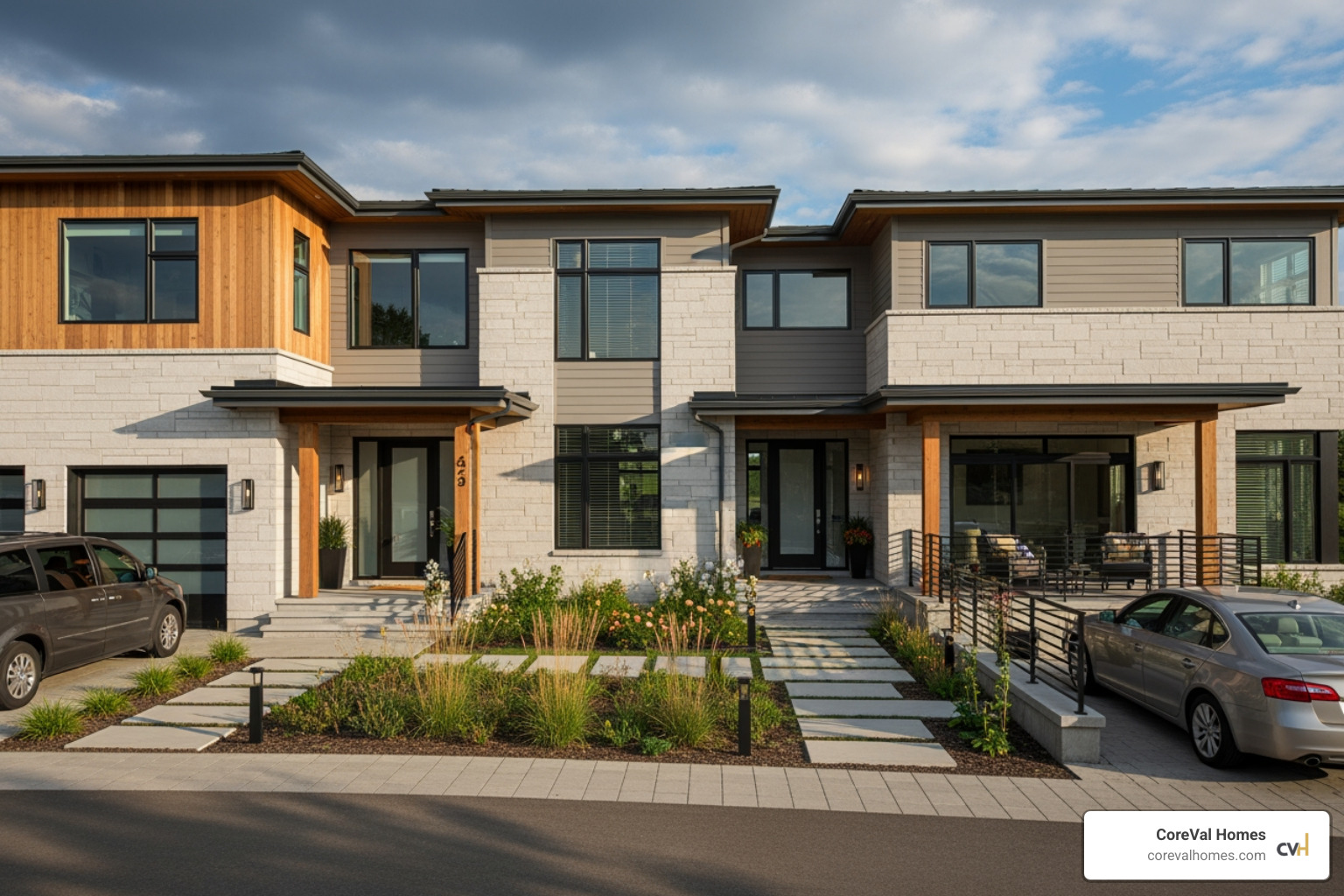
Are you looking for a home that seamlessly blends privacy with togetherness for your family? Multi-generational house plans are exactly what you need. These innovative home designs are soaring in popularity because they cleverly accommodate multiple generations under one roof. They create independent living spaces while keeping families connected.
Here’s why multi-generational home designs are a smart choice for today’s families:
- Definition: Designed to house multiple generations (e.g., aging parents, adult children, grandchildren) in a single structure.
- Purpose: Provides private living areas for independence, often with separate entrances, bedrooms, bathrooms, and kitchenettes, while maintaining shared common spaces.
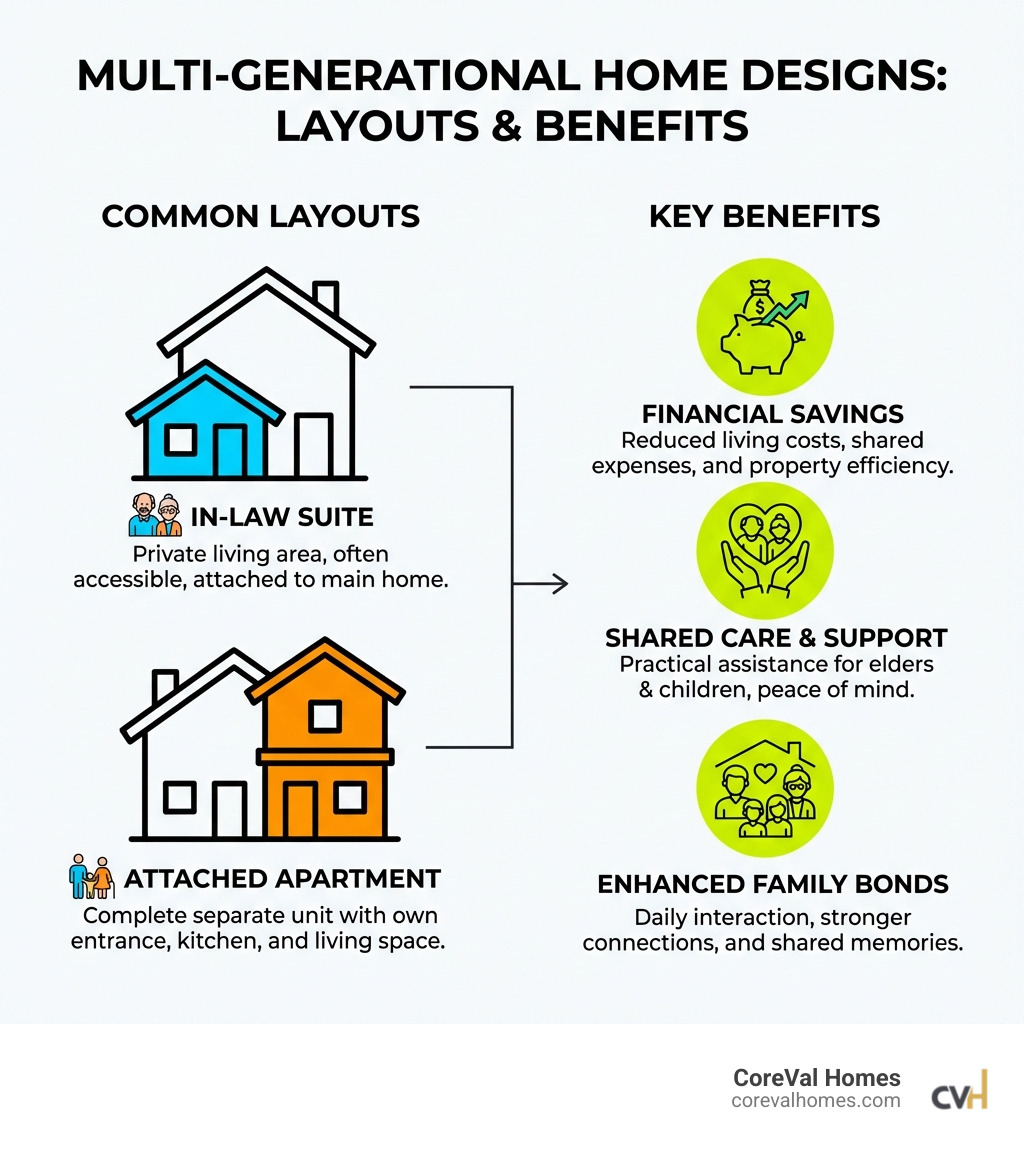
- Benefits: Offers financial savings (more economical than assisted living), fosters stronger family bonds, and provides practical support and peace of mind.
- Distinction: Looks like one home, unlike separate duplexes, but offers distinct living quarters within.
- Growing Trend: Driven by changing family dynamics, economic factors, and the desire for closer family ties.
In the 21st century, more families are choosing to live together. This is due to many reasons:
- Parents needing care.
- Young adults returning home after college.
- Grandchildren visiting for extended periods.
These homes offer a unique balance. They give each family member their own private space. But they also keep everyone connected through shared areas. This setup helps families thrive amidst financial and cultural shifts.
I’m Gordon Guthrie, a third-generation Canadian home builder and real estate professional. My work with CoreVal Homes in Vancouver has given me deep insight into designing and constructing custom multi-generational house plans that meet the unique needs of modern families.
Why Choose a Multi-Generational Home Designs? The Financial, Emotional, and Practical Benefits
The shift towards multi-generational living isn’t just a trend; it’s a practical and often deeply rewarding choice for many families across Vancouver, the Fraser Valley, and Southern California. Our experience building custom homes has shown us that these plans offer a wealth of financial, emotional, and practical benefits that address the evolving needs of modern families.
Imagine a home that fosters connection, shared experiences, and a lifetime of memories. That’s the magic of multi-generational house plans! They create natural spaces for grandparents, parents, and children to interact daily, strengthening family bonds and providing a built-in support system.
The Economic Advantage
One of the most compelling reasons families choose multi-generational living is the significant economic advantage. We’ve seen how sharing a home can ease financial burdens for everyone involved.
- Shared Costs: Instead of maintaining two or three separate households, families can pool resources for a single mortgage, utilities, property taxes, and home maintenance. This can lead to substantial savings over time.
- Reduced Care Costs: For aging loved ones, a dedicated suite within a multi-generational home is often far more economical than the escalating monthly fees charged by assisted living facilities. This arrangement not only provides security and peace of mind but is a smart financial decision.
- Support for Young Adults: If adult children are returning home after college or to save money to start careers, a multi-generational setup allows them to live independently within the family structure, reducing their living expenses and accelerating their financial goals.
- Increased Property Value: A well-designed multi-generational house plan can significantly increase the value and appeal of your property, especially in markets like Vancouver and the Fraser Valley where housing is at a premium and flexible living solutions are highly sought after.
- Potential for Rental Income: Some multi-generational designs, such as duplexes or homes with detached laneway houses, can offer the added benefit of rental income, further offsetting costs and providing financial flexibility.
Fostering Deeper Family Connections
Beyond the financial benefits, the emotional rewards of a multi-generational home are immeasurable. In today’s busy world, stronger family bonds are crucial, and multi-generational house plans make it easier to nurture these connections.
- Daily Interaction: Living under one roof allows for constant, organic interaction between generations. Grandparents can enjoy daily moments with their grandchildren, sharing stories, wisdom, and laughter. Children benefit from the presence of multiple caregivers and role models, enriching their development.
- Mutual Support System: Life throws curveballs, and a multi-generational household provides a built-in support network. Whether it’s help with childcare, elder care, or simply a shoulder to lean on, families can rely on each other. This arrangement provides security and peace of mind for everyone involved.
- Shared Memories and Experiences: From holiday celebrations to everyday meals, multi-generational homes become hubs for creating lasting memories. These shared experiences weave a rich mix of family history, passing down traditions and strengthening family identity.
- Reduced Isolation: For elderly family members, living with loved ones combats loneliness and provides a sense of purpose and belonging. For busy parents, the extra help and companionship can be a lifesaver.
Anatomy of a Multi-Generational Home Designs: Essential Features and Design Elements
A multi-generational house plan isn’t just a big house; it’s a thoughtfully designed space that caters to the diverse needs of different age groups. The goal is to create harmonious cohabitation by balancing shared living with individual privacy. We focus on key features that make these homes truly functional and enjoyable for everyone.
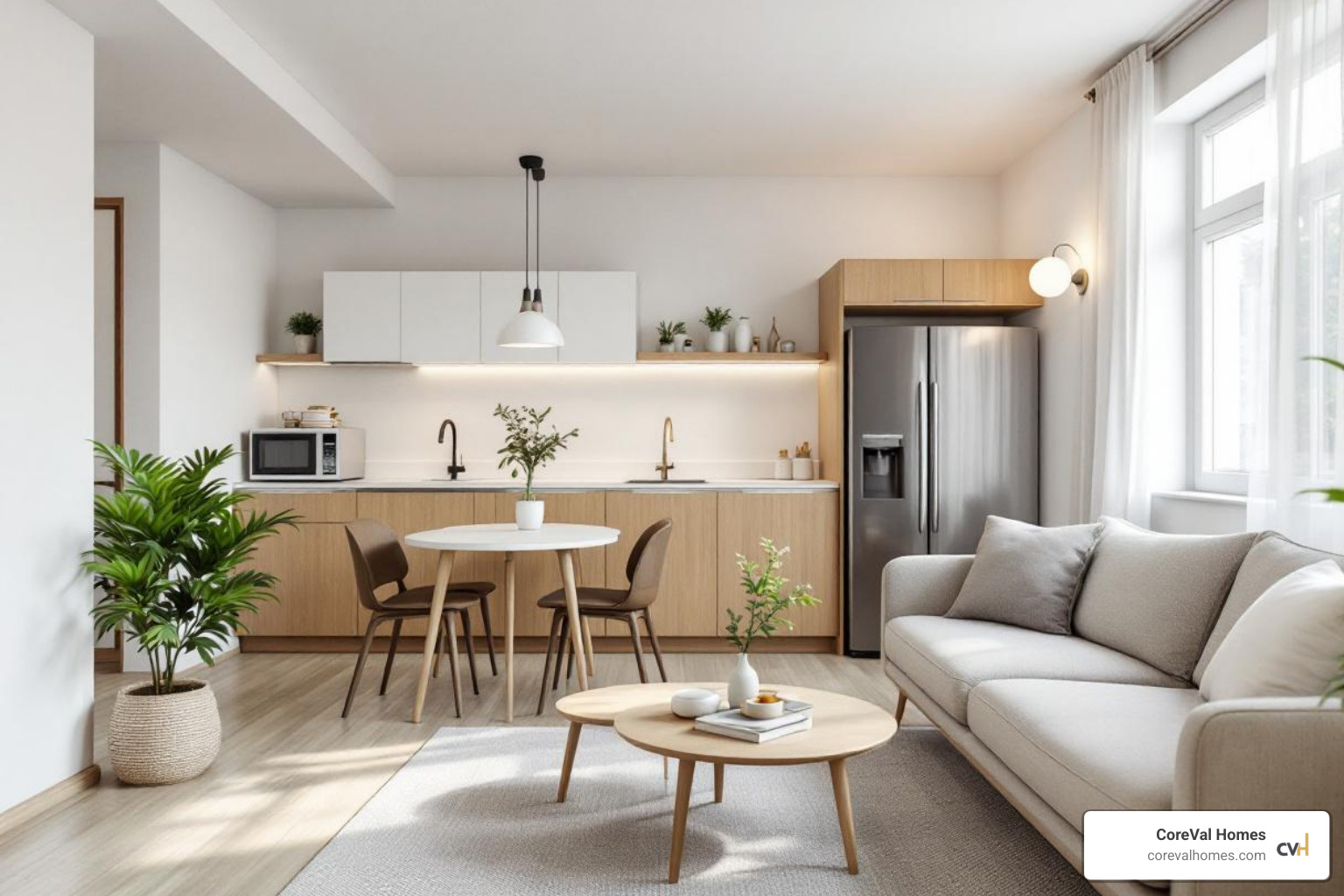
At the heart of these designs are distinct living areas for different generations, allowing for privacy and independence, while still emphasizing shared common areas like kitchens, dining spaces, and family rooms to foster togetherness. Flexible spaces are often incorporated, designed to serve different purposes over time, adapting to changing family needs.
Multi-Generational Home Designs: Designing for Privacy and Independence
Privacy is paramount in any successful multi-generational living arrangement. We ensure that while families are connected, each individual or sub-family unit has their own sanctuary.
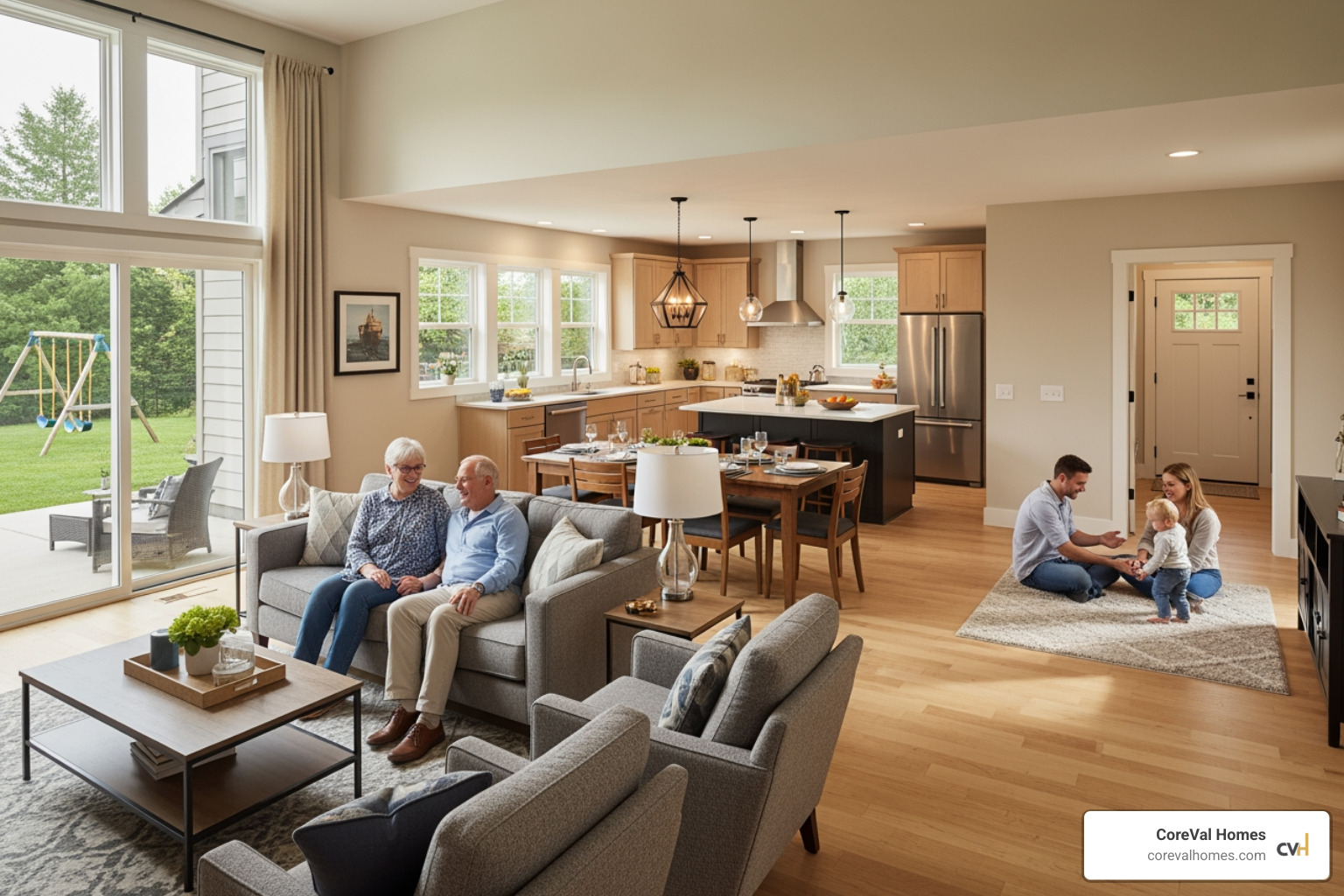
- In-Law Suites: These are a cornerstone of many multi-generational house plans. A typical in-law suite includes a private bedroom and bath, a private kitchen or kitchenette, and often a small living area. These suites are usually connected to the main house for security and convenience but offer significant independence. They are perfect for aging loved ones who want to live independently but may need a little assistance from time to time, or for adult children seeking a private space.
- Separate Apartments/Casitas: Some designs go further, incorporating completely self-contained units with their own kitchen, living, and dining areas. These may be attached to the main house or even detached, providing maximum independence.
- Private Entrances: Many multi-generational units feature their own private entrance, allowing residents to come and go without disturbing others, enhancing their sense of autonomy.
- Soundproofing Considerations: To minimize friction between family members and ensure peace, we often incorporate soundproofing measures between separate living areas. This can be crucial for maintaining quiet in one section while another part of the house is busy.
- Flexible Spaces: Our Vancouver Custom Home Designs: The Role of Flex Spaces in Future-Proofing highlights how adaptable rooms can serve various purposes, from a quiet study area to a guest bedroom, ensuring the home evolves with your family.
Ensuring Accessibility and Comfort for All Ages
Designing for multi-generational living means considering the needs of all ages and abilities, from toddlers to seniors. We prioritize accessibility features to ensure comfort, safety, and longevity for your home.
- First-Floor Master Suites: These are highly sought after, providing easy, step-free access for older adults or those with mobility challenges. They allow for convenient living without needing to steer stairs.
- Zero-Threshold Showers: Eliminating curbs in showers prevents tripping hazards and allows for easy access with walkers or wheelchairs, a small change that makes a huge difference in daily life.
- Wider Doorways and Hallways: Standard doorways can be restrictive. We often design with wider doorways (36 inches or more) and hallways to accommodate wheelchairs, strollers, or simply provide a more open feel.
- Grab Bars and Handrails: Strategically placed grab bars in bathrooms and handrails along staircases (if any) provide essential support and safety.
- Thoughtful Layouts: Beyond physical accessibility, comfortable design means creating spaces that work for different routines. A dedicated pocket office, for example, allows for quiet work or study, a feature we explore in more detail with these office ideas from Country Living.
Exploring Different Types of Multi-Generational House Plans
The beauty of multi-generational house plans lies in their versatility. There’s no one-size-fits-all solution, and we work with families across Vancouver, Burnaby, and the Fraser Valley to find the perfect arrangement that suits their unique dynamics and property. These homes are designed to look like a single structure rather than the separate units typically found with multi-family home designs, maintaining a cohesive aesthetic.
Attached Solutions: In-Law Suites and Additions
These are the most common forms of multi-generational living, offering a blend of proximity and privacy.
- In-Law Suites: As discussed, these integrated units typically include a private bedroom and bath, often a kitchenette, and a small living area. They are usually situated on the main floor or in a basement, providing easy access. The suite is connected to the main home, offering security and a sense of belonging, while still allowing for independent living.
- Two-Storey Home Additions: For homes that need more space, a two-storey addition can be a fantastic way to create a multi-generational suite. This is particularly relevant in areas like Vancouver where lot sizes can be restrictive. Our guide, Discover How Two Storey Home Additions Can Transform Your Living Space, Enhancing Functionality and Value with Expert Insights and Practical Advice on Planning and Executing These Projects Effectively, elaborates on how these can be designed to include separate living quarters.
- Strategic Home Additions: Beyond just adding space, strategic additions can fundamentally change your home’s multi-generational capabilities. Our A Strategic Guide to BC Home Additions: Discover Your Home’s Potential explains how careful planning can integrate new living areas seamlessly.
Detached and Duplex-Style Living
For families seeking even greater independence or looking to maximize their property’s potential, detached units or duplexes offer compelling options.
- Laneway Homes and Coach Houses: These are particularly popular in Vancouver and other BC municipalities. A laneway home is a smaller, separate dwelling located in the backyard of a single-family home, often accessed via a laneway. They provide completely independent living with their own entrance, kitchen, and living spaces. This setup is ideal for adult children, elderly parents, or even as a rental unit for additional income. Our 2025 Laneway Homes Guide for Modern Multi-Generational Living offers an in-depth look at this growing trend.
- Duplex Plans: While multi-generational homes are designed to look like a single structure, some plans are more akin to duplexes, featuring two larger, distinct units within one building. These are excellent for housing two families or generations with a high degree of privacy, and depending on local laws in your area (like Coquitlam or Burnaby), one unit could potentially be rented out to tenants.
Practical Considerations: From Cost to Construction
Starting on a multi-generational house plan project involves several practical considerations, from understanding costs to navigating local building regulations. We bring our expertise in custom home building across British Columbia to guide you through each step, ensuring a smooth and successful project.
Navigating Costs and Building Codes
The cost of building a multi-generational home can vary significantly based on factors such as location, size, and customizations. While adding features like additional bedrooms or separate living spaces may increase upfront costs, the overall expense can be offset by the economic advantages of shared resources and communal living.
| Feature | Estimated Cost (Vancouver/BC) | Pros | Cons |
|---|---|---|---|
| In-Law Suite | $50,000 – $200,000+ | More affordable, integrated with main home, easy access for assistance, shared utilities. | Less independence/privacy, potential for noise transfer. |
| Laneway Home | $250,000 – $600,000+ | High independence/privacy, significant rental income potential, separate utilities, increases property value. | Higher upfront cost, requires sufficient lot size, complex permitting. |
| Duplex | $800,000 – $1.5M+ (per side) | Maximum independence, two distinct units, strong rental income potential, separate property titles (sometimes). | Highest upfront cost, complex design and permitting, often requires larger lots. |
Note: These are rough estimates and can fluctuate greatly based on design, finishes, and current market conditions.
Understanding zoning regulations and building codes is critical, especially in municipalities like Vancouver, Burnaby, and Coquitlam, which have specific bylaws governing secondary suites and laneway homes. Our team at CoreVal Homes specializes in navigating these complex building permits, offering insider timelines and strategies to reduce permit delays, making your project initiation efficient. We ensure that your multi-generational house plan adheres to all local requirements, providing peace of mind from conception to completion.
Adapting popular multi-generational house plans for your lot
Not every lot is created equal, but almost any lot can be optimized for a multi-generational house plan with clever design.
- Narrow Lot Solutions: In dense urban areas like Vancouver, narrow lots are common. For these, we often look to vertical solutions, like multi-storey homes with separate units on different levels, or compact duplex designs. Efficient layouts and ample natural light through large windows are key to making these spaces feel open and functional.
- Sloping Lot Designs: A sloping lot can be a design challenge but also an opportunity. Walk-out basements, for example, can be transformed into independent suites with their own entrances, taking advantage of the natural topography.
- Maximizing Square Footage: Every inch counts. We focus on smart layouts, built-in storage solutions, and multi-functional spaces to ensure your home provides ample room for everyone without feeling cramped. This includes thoughtful elements like large pantries, drop zones, and even dedicated laundry areas on upper floors. Efficient storage is key in a multi-generational home, and we can even help you find these garage storage tips from Family Handyman to maximize every corner.
- Garage and Storage Planning: With more people comes more “stuff.” Planning for adequate garage space (often with a workshop area) and integrated storage solutions throughout the home is essential for maintaining order and comfort.
Design Inspiration: Popular Multi-Generational Layouts
When it comes to multi-generational house plans, the design possibilities are as diverse as the families who live in them. We’ve seen a rise in various architectural styles that lend themselves beautifully to this living arrangement, often incorporating modern amenities with timeless aesthetics.
Here are some popular architectural styles for multi-generational homes:
- Modern
- Farmhouse
- Craftsman
- Traditional
- Ranch
- European
- Coastal
- Mountain
- New American
From the rustic charm of a farmhouse to the sleek lines of a modern design, the goal is always to create a home that is both fun and functional. For example, we documented a Case Study 5: Home Renovation for Multi Living Family in Vancouver that showcases how an existing home can be transformed to accommodate multi-generational needs.
Example 1: The Attached In-Law Suite Plan
Imagine a beautiful, single-family home from the street, but step inside, and you find a perfectly self-contained haven for an aging parent or an adult child.
This type of multi-generational house plan often features:
- Private Entry: A separate, often discreet, entrance for the in-law suite, allowing residents to maintain their independence and privacy.
- Full Kitchenette/Kitchen: Equipped with essential appliances, a sink, and cabinet space, enabling meal preparation without relying on the main kitchen.
- Bedroom and Bathroom: A comfortable, accessible bedroom (often a first-floor master) with an en-suite bathroom, featuring accessibility elements like zero-threshold showers and grab bars.
- Living Area: A small, private living room or den, providing a personal retreat for relaxation or entertainment.
- Seamless Flow: Despite its independence, the suite is typically connected to the main home via an interior doorway, allowing for easy interaction and assistance when needed. This design is ideal for aging parents who want to stay close to family but cherish their autonomy.
Example 2: The Modern Duplex or Laneway House
For properties that can accommodate it, a modern duplex or a laneway house offers a high degree of independence and flexibility, especially appealing in areas like Vancouver where maximizing property use is a smart move.
- Two Distinct Units: A duplex plan features two separate, self-contained living units within one structure, or a laneway house provides a detached unit on the same property. Each unit has its own entrance, kitchen, living areas, and bedrooms.
- Maximizing a Narrow Lot: Modern duplexes are often ingeniously designed for narrow or tight urban lots, utilizing vertical space across multiple stories to provide spacious living for two families.
- Privacy and Independence: This arrangement offers maximum privacy and independence for both households, making it suitable for two adult families, or for one family to live in one unit and rent out the other.
- Potential for Rental Income: A significant benefit of this type of multi-generational house plan in locations like Vancouver is the potential to generate substantial rental income from the secondary unit, helping to offset mortgage costs or provide a steady revenue stream.
Conclusion: Building Your Family’s Future Together
Multi-generational house plans are more than just a housing solution; they are a lifestyle choice that enriches family life, offers significant financial advantages, and provides a secure, supportive environment for all generations. From the busy streets of Vancouver to the serene landscapes of the Fraser Valley, we’ve seen how these thoughtful designs empower families to live closer, connect deeper, and thrive together.
The key to a successful multi-generational home lies in thoughtful design that expertly balances independence with togetherness. It means creating private sanctuaries within a larger, connected home, ensuring that every family member feels respected, comfortable, and valued.
At CoreVal Homes, we specialize in bringing these visions to life. As a Vancouver custom home builder, backed by a 2-5-10 warranty, we understand the unique challenges and opportunities of building in British Columbia. We pride ourselves on our ability to steer complex building permits and offer insider timelines and strategies to reduce permit delays, ensuring efficient project initiation for your dream multi-generational house plan.
Whether you’re considering an in-law suite, a laneway home, or a custom duplex, we have the expertise to design and build a home that perfectly suits your family’s needs and aspirations.
Start planning your custom multi-generational home today and start on the journey of building your family’s future, together.