
Why Vancouver Zoning Changes Matter for Your Home Project

Vancouver zoning changes are reshaping how and where you can build in the city. Here’s what you need to know:
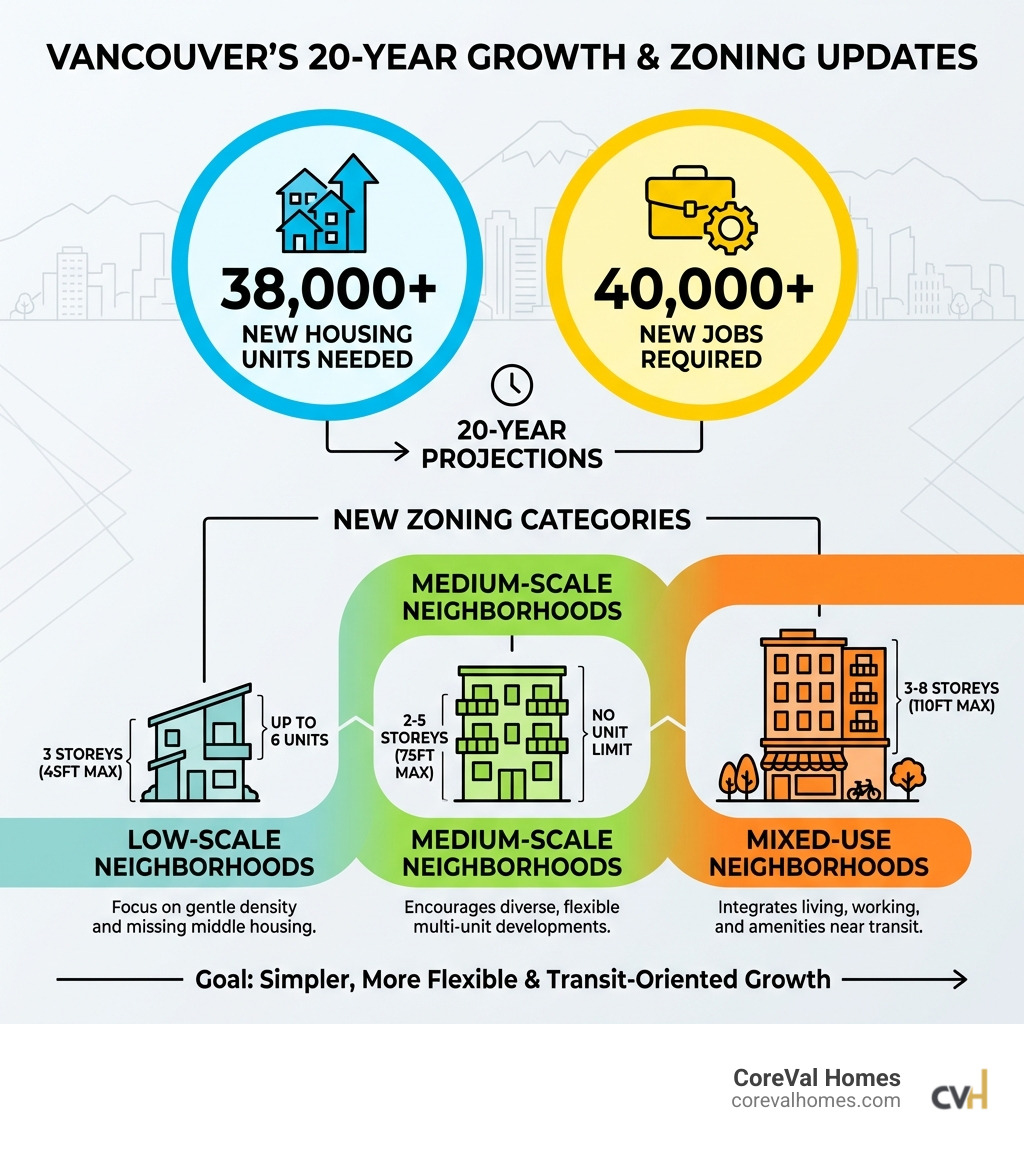
- Growth Target: The city must accommodate at least 38,000 additional housing units and 40,000+ jobs over the next 20 years.
- New Zoning Districts: Three main categories are being introduced:
- Low-scale neighborhoods: Up to 6 units per parcel, buildings up to 45 feet (3 storeys).
- Medium-scale neighborhoods: No maximum units, buildings up to 75 feet (2-5 storeys).
- Mixed-use neighborhoods: Buildings up to 110 feet (3-8 storeys).
- ‘Our Vancouver’ Plan: A comprehensive 20-year vision updating the city’s zoning code to be simpler and more flexible.
- Villages & Transit Areas: Specific zones around transit hubs (like Rupert and Renfrew stations) allowing higher density and diverse housing types.
- Timeline: The comprehensive plan update is expected to be finalized by summer 2026, with phased implementation.
Planning a custom home, laneway house, or major renovation in Vancouver? These changes impact what, where, and how you can build. While the city is streamlining processes, navigating the new rules is key to seizing opportunities and ensuring compliance.
What’s driving these changes? Vancouver’s comprehensive plan hasn’t been updated in nearly 15 years, a period marked by significant growth, a housing affordability crisis, and new community priorities. The new framework aims to create equitable housing, eliminate “service deserts,” and focus growth near transit to reduce car dependency.
As Gordon Guthrie, founder of CoreVal Homes, I’ve helped families steer Vancouver’s complex permit and zoning landscape for decades. Understanding these Vancouver zoning changes is vital for identifying development opportunities and avoiding costly project delays.
The Big Picture: Why Vancouver is Overhauling its Zoning
Vancouver’s planning is evolving to keep pace with its growth. The recent Vancouver zoning changes represent a fundamental shift in our city’s development. At CoreVal Homes, we see these changes as a crucial step towards a more sustainable, equitable, and vibrant Vancouver.
The main goals stem from the Vancouver Plan, a long-range land use plan guiding growth for the next 30 years. Its core principles revolve around creating complete, inclusive, and resilient neighborhoods. A primary objective is fostering equitable housing by diversifying housing types across all neighborhoods, moving beyond single-family zoning to address the affordability crisis.
The changes also aim to build complete neighborhoods, where daily necessities are within walking or cycling distance. This reduces car reliance, supports climate goals, and eliminates “service deserts.” Finally, the new zoning framework is a strategic move to accommodate growth and create jobs. Vancouver faces pressure to add thousands of new housing units and jobs, and the plan is to strategically integrate these while protecting our ecosystems.
Aligning with the Vancouver Plan
The Vancouver Plan guides all current Vancouver zoning changes. It’s a shared vision for a more equitable, liveable, and affordable city, achieved by spreading more housing options across all neighborhoods.
This means moving beyond single-family homes to build diverse housing like multiplexes and low-rise apartments for various family structures and incomes. This approach helps create complete neighborhoods where people can live, work, and play locally. A key benefit is the reduction of “service deserts.” By integrating housing with local amenities, we ensure residents have easier access to their needs, fostering stronger communities. This also encourages walking, cycling, and transit use, which supports the Vancouver Plan’s commitment to climate protection.
Meeting Growth Projections for 2045
Vancouver’s population is growing, and our infrastructure and housing must expand to meet demand. The comprehensive plan update addresses the need to accommodate tens of thousands of additional housing units and create thousands of new jobs. These targets reflect the intense pressure on our urban landscape.
This isn’t just about building more; it’s about building smarter. The strategy maximizes density around transit hubs and service centers. This careful planning ensures growth is managed effectively, supporting the city’s overall liveability and economic prosperity. If you’re curious about the foundational principles behind such large-scale urban planning, a good starting point is understanding What is a Comprehensive Plan?. It provides valuable context on how cities develop their long-term visions.
Decoding the New Vancouver Zoning Changes: ‘Our Vancouver’ and Beyond
While the term ‘Our Vancouver’ is sometimes used, in British Columbia, our guiding document is the Vancouver Plan. This is our city’s 20-year vision for growth, designed to make zoning code updates simpler and more flexible. The Official Development Plan (ODP) is the legal instrument within this framework, providing detailed policies to guide land use decisions. The final ODP is expected in early 2026, ensuring development aligns with a unified vision.
This modernization effort includes streamlining regulations and responding to new provincial housing laws like Bill 44 and Bill 47 (which we’ve covered in our articles on Bill 44 and Bill 47). These mandates encourage more housing density near transit and aim to reduce “red tape,” creating a more flexible system to meet housing demands.
What is the ‘Our Vancouver’ Comprehensive Plan?
For Vancouver, the Vancouver Plan embodies the city’s 20-year vision. It guides land use and development, fostering complete neighborhoods, addressing climate change, and promoting an equitable economy. The plan provides the strategic direction for zoning code updates, which are the tools that implement the vision. By updating the zoning code, the city creates a more responsive system, allowing for more housing and commercial options where needed. Understanding this broader context is essential, as highlighted in this Introduction to Growth Management and Comprehensive Planning in Washington (which provides a general overview of the principles).
Understanding the Proposed Zoning Districts
Vancouver, BC, is introducing new zoning approaches to increase density and housing options, moving from rigid, single-use zoning to flexible, mixed-use models.
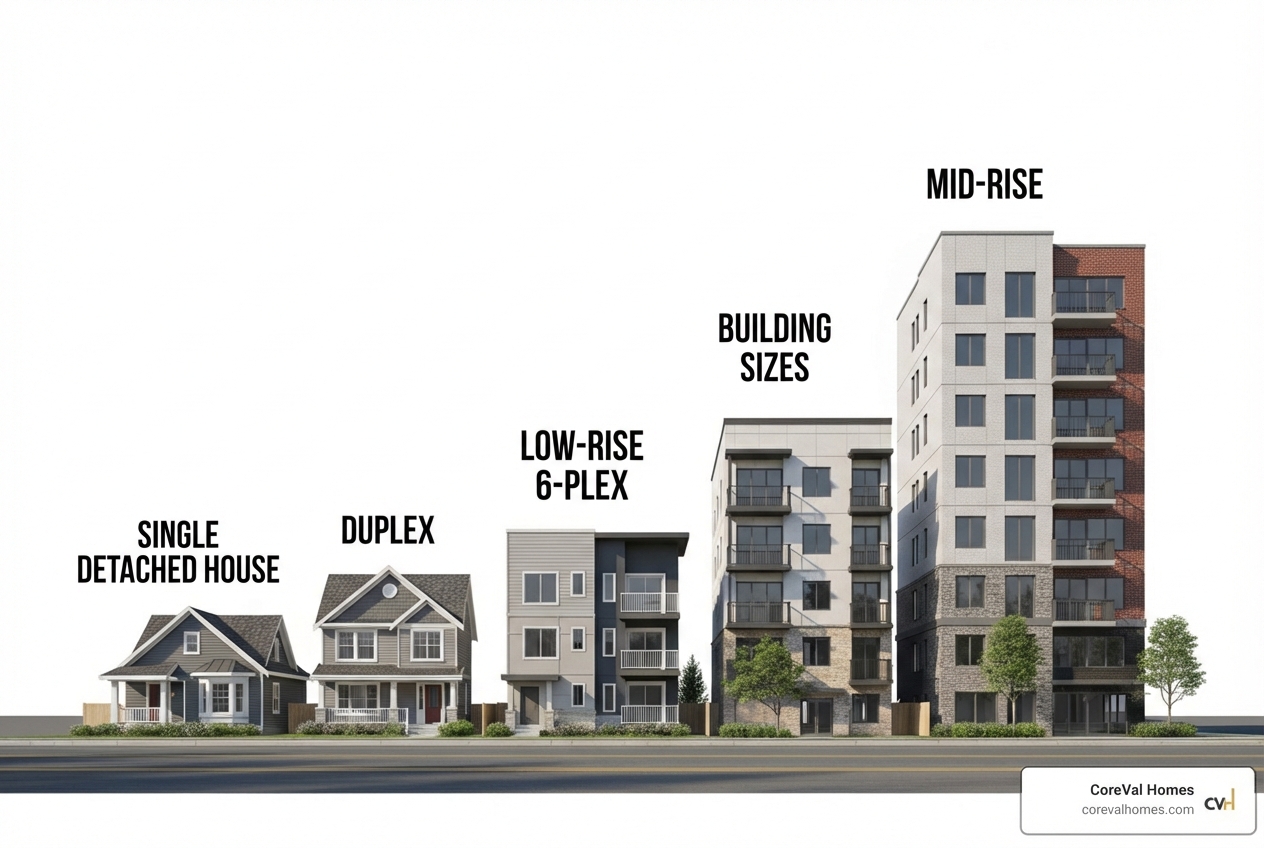
Instead of the specific districts mentioned in the intro (which relate to Vancouver, WA), Vancouver, BC’s approach is tied to area plans and transit-oriented development (TOD) policies. For instance, the Rupert and Renfrew Station Area Plan includes:
- Low-rise apartments and townhouses: Permitted near transit and shopping.
- Increased height and density for rental and social housing: Building heights can reach four storeys for strata, six for rental, or eight for below-market rental, incentivizing affordable units.
- Mixed-use developments: Encouraged in strategic locations to combine residential with commercial spaces.
These changes improve system flexibility, allowing for diverse housing like multiplexes and low-rise apartments, in line with provincial mandates. This helps meet demand for housing and jobs by enabling higher density and mixed uses in appropriate locations.
Spotlight on Key Initiatives: Villages and Station Areas
One of the most exciting aspects of the recent Vancouver zoning changes is the focus on developing “Villages” and revitalizing station areas. These initiatives are central to the Vancouver Plan’s vision of creating complete, transit-oriented neighborhoods. At CoreVal Homes, we recognize these areas as prime opportunities for innovative development that meets the evolving needs of families.
The ‘Villages’ concept, particularly exemplified by the Rupert and Renfrew Station Area Plan, aims to transform existing small retail clusters near transit into vibrant, mixed-use communities. These aren’t just residential zones; they’re designed to be dynamic hubs integrating homes, shops, public spaces, and job opportunities. This approach is a direct response to the need for more walkable, sustainable communities where residents can access daily essentials without relying heavily on private vehicles.
The City Council has approved significant zoning and building updates to implement these Villages, signaling a clear commitment to this growth strategy. You can dig deeper into the Villages Planning Program details to understand the full scope of this initiative.
The ‘Villages’ Concept Explained
The ‘Villages’ concept is a cornerstone of Vancouver’s urban evolution, particularly within areas designated for transit-oriented growth. These areas, centered on existing small retail clusters near transit, are envisioned to gradually transform into vibrant, complete neighborhoods. This means a thoughtful integration of homes, shops, public spaces, and local jobs, making daily life more convenient and sustainable.
To realize this vision, specific bylaw changes and building updates have been approved. For instance, in the Rupert and Renfrew Station Area Plan, building heights are being adjusted to encourage diverse housing options:
- Strata housing: Generally up to four storeys.
- Rental housing: Up to six storeys.
- Below-market rental or social housing: Up to eight storeys.
These varying height allowances provide incentives for different types of housing, particularly encouraging the development of much-needed rental and social housing options. This strategic approach ensures that increased density contributes to housing affordability and diversity across the city. For a comprehensive look at the specific Details on zoning and building updates, you can refer to the official Council documents. These updates are crucial for fostering a mix of housing tenures and ensuring that new developments align with the broader goals of creating equitable and complete communities.
Rupert and Renfrew Station Area Plan
The Rupert and Renfrew Station Area Plan is a prime example of the ‘Villages’ concept in action. Approved by Council in July 2025, this plan is designed to guide growth and change around the Rupert and Renfrew SkyTrain stations over the next 25 years. It aligns directly with the Vancouver Plan, focusing on supporting the development of complete, transit-oriented neighborhoods.
Within this plan, there are five designated Villages that will evolve into such communities. These Villages are strategically located to maximize access to transit and services, offering a mix of housing options and job opportunities. The goal is to create areas where residents can live, work, and easily access amenities, reducing the need for long commutes. You can explore the specific locations of these five Villages on the Rupert and Renfrew Station Area Plan map.
A critical aspect of this plan is the commitment to environmental protection. Stronger measures are being implemented to safeguard Still Creek and local ecosystems. This includes the introduction of a new Groundwater Protection Area within the Vancouver Building By-law (VBBL). This designation restricts underground structures for developments within the designated area, ensuring that new construction does not compromise the natural environment or water quality. This demonstrates Vancouver’s dedication to balancing urban development with ecological responsibility.
How Will These Changes Affect You?
The Vancouver zoning changes have tangible implications for neighborhoods, property owners, and the housing landscape. At CoreVal Homes, understanding these impacts is key to guiding our clients to success.
A significant shift is towards increased density and housing diversity. Areas once zoned for single-family homes may now permit multiplexes, townhouses, or low-rise apartments. This offers new redevelopment opportunities, including laneway homes (a CoreVal specialty, as detailed in our article on Vancouver Laneway Homes), but also changes neighborhood character. Property owners might see increased development potential but will need to steer new regulations.
Here are some potential impacts on property owners:
- Increased Property Value Potential: The ability to build more units on a single lot could increase property value.
- New Development Opportunities: Consider building multiplexes, laneway homes, or rental units.
- Neighborhood Character Changes: Increased density might alter the feel of low-density areas.
- Navigating Complex Regulations: New rules require careful interpretation and expert guidance.
- Impact on Existing Structures: Older properties may become more attractive for redevelopment.
What are the key Vancouver zoning changes for housing?
The core of the Vancouver zoning changes is to increase supply, diversify options, and improve affordability through several key shifts:
- Increased Density: Zoning now permits more units per parcel, especially near transit. This includes multiplexes and low-rise apartments, moving away from the single-family model.
- More Rental Options: The city is incentivizing rental housing. In areas like Rupert and Renfrew, rental buildings can achieve greater heights (up to six storeys) than strata (four storeys), with even higher allowances for below-market options (up to eight storeys).
- Preserving Affordable Housing: While increasing density, there’s a focus on preserving existing affordable housing, such as strategies for manufactured home parks.
- Small-Scale, Multi-Unit Housing (SSMUH): Provincial legislation (Bill 44) now allows multiple units (duplexes, triplexes) on properties previously restricted to single-family homes. We’ve explored this in our article on the Multiplex Bylaw.
- Transit-Oriented Development (TOD): Bill 47 and the Vancouver Plan concentrate housing around transit hubs with higher density and mixed uses.
These changes aim to create a more diverse and accessible housing market.
Impact on Property Development and Permits
For developers and homeowners, these Vancouver zoning changes present opportunities and challenges in the permitting landscape. The city’s push for a simpler system is welcome, but understanding the new bylaws is crucial. The ability to build more units, laneway homes, or SSMUH offers significant opportunities, but each project requires careful planning and adherence to the development permit process.
At CoreVal Homes, we specialize in helping clients steer this system. From understanding zoning requirements to preparing applications, our expertise ensures a smoother journey. We know permit delays are costly, and our strategies are designed to reduce bottlenecks. For more information, explore how we help with navigating complex building permits.
These changes also foster opportunities for homeowners to build new home types. Whether it’s an accessory dwelling unit or a custom home leveraging new density allowances, the landscape is evolving. We encourage you to consult with us early to understand your property’s potential.
Get Informed and Have Your Say
The City of Vancouver places a strong emphasis on community involvement in shaping its future. The ongoing Vancouver zoning changes and the development of the Vancouver Plan are collaborative efforts, and public input is a vital component of this process. It’s an opportunity for residents, property owners, and businesses to contribute their perspectives and help refine the city’s growth strategy.
Throughout the comprehensive plan update and the implementation of specific area plans like Rupert and Renfrew, there have been numerous opportunities for engagement, including public hearings, workshops, and online feedback platforms. Your feedback helps city planners and Council members understand the real-world impacts and concerns related to proposed changes.

Staying informed about these changes and participating in the feedback process is crucial. It ensures that your voice is heard and helps to shape a Vancouver that truly serves its diverse communities.
Key Resources for Vancouver Residents
To help residents stay informed and engaged with the ongoing Vancouver zoning changes, the city has provided several valuable resources. These tools are designed to make complex planning information accessible and facilitate meaningful community participation.
- Be Heard Vancouver Portal: This is your central hub for the most up-to-date information about the comprehensive plan and zoning code updates. It provides details on various initiatives, project timelines, and engagement opportunities. You can Get involved via Be Heard Vancouver to explore current projects and provide your input.
- Interactive StoryMap: This powerful online tool allows you to visualize potential zoning changes and development allowances across the city. By looking up specific addresses, you can gain a clearer understanding of how the proposed changes might affect properties in your neighborhood. We highly recommend you Check your property on the draft interactive map to see the potential implications.
- Email Sign-up: The easiest way to stay directly informed is to subscribe to email updates. This ensures you receive notifications about new information, upcoming public hearings, and opportunities to get involved. You can Sign up for email updates on the Our Vancouver plan to receive timely alerts.
These resources empower you to actively participate in shaping our city’s future, ensuring that development is aligned with community values and needs.
Understanding the timeline for Vancouver zoning changes
The process of updating Vancouver’s comprehensive plan and implementing significant Vancouver zoning changes is a multi-year endeavor, reflecting the complexity and long-term vision involved. While the Vancouver Plan was adopted by Council in 2022, the subsequent zoning code changes and detailed area plans are being rolled out in phases.
For example, the Rupert and Renfrew Station Area Plan was approved by Council in July 2025, with its implementation involving ongoing zoning and building updates. The Villages Planning Program, a key component of the Vancouver Plan, completed its second phase of engagement in December 2025, with the final Villages Plan expected to be presented to Council in spring 2026.
A significant deadline influencing these changes is the Province’s June 2026 timeline for municipalities to align their zoning with new housing legislation (e.g., Bill 44 and Bill 47). This provincial mandate is accelerating many of the local zoning adjustments.
The comprehensive plan update itself is a continuous process, with various chapters and policies being reviewed and approved by Council. It’s expected that the overall comprehensive plan update will be finalized by summer 2026. This phased implementation allows for careful consideration, public feedback, and adaptation to emerging needs. To stay completely up-to-date on these developments, regularly reviewing Council meeting reports and signing up for email updates (as mentioned above) is essential.
Conclusion
The recent Vancouver zoning changes mark a transformative period for our city, ushering in an era of thoughtful growth, increased housing diversity, and more complete, transit-oriented neighborhoods. The vision of the Vancouver Plan, supported by initiatives like the Villages concept and the Rupert and Renfrew Station Area Plan, aims to create a more equitable, liveable, and sustainable future for all residents.
These updates mean a more flexible and dense Vancouver, with new opportunities for property owners and developers to contribute to the city’s housing supply and economic vitality. While the landscape of what can be built and where is evolving, the underlying goal remains clear: to build a city that can accommodate its growth while enhancing the quality of life for its people.
At CoreVal Homes, we are deeply embedded in this evolving landscape. Our expertise in custom home building, multi-generational homes, and laneway home constructions, combined with our proven strategies for navigating complex building permits and reducing permit delays, positions us uniquely to help you capitalize on these changes. We understand the intricacies of the new zoning rules and are committed to ensuring your project is initiated efficiently and executed successfully.
Whether you’re looking to build a new custom home, add a laneway house, or explore the potential of your property under the new zoning framework, we are here to guide you every step of the way. Don’t let the complexity of new regulations deter your vision. Contact CoreVal Homes to discuss your custom home project under the new zoning rules and let us help you build the home of your dreams in the Vancouver of tomorrow.